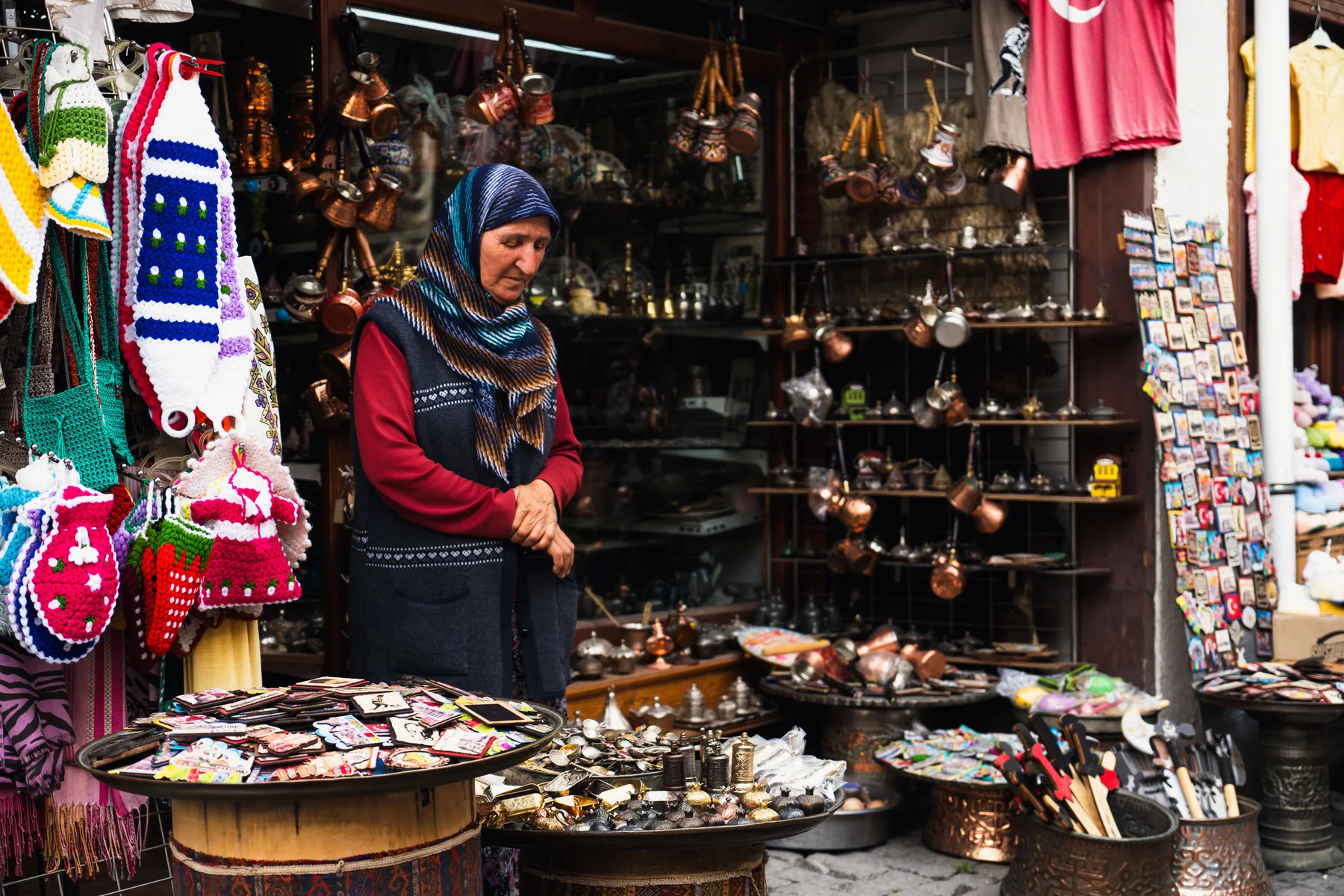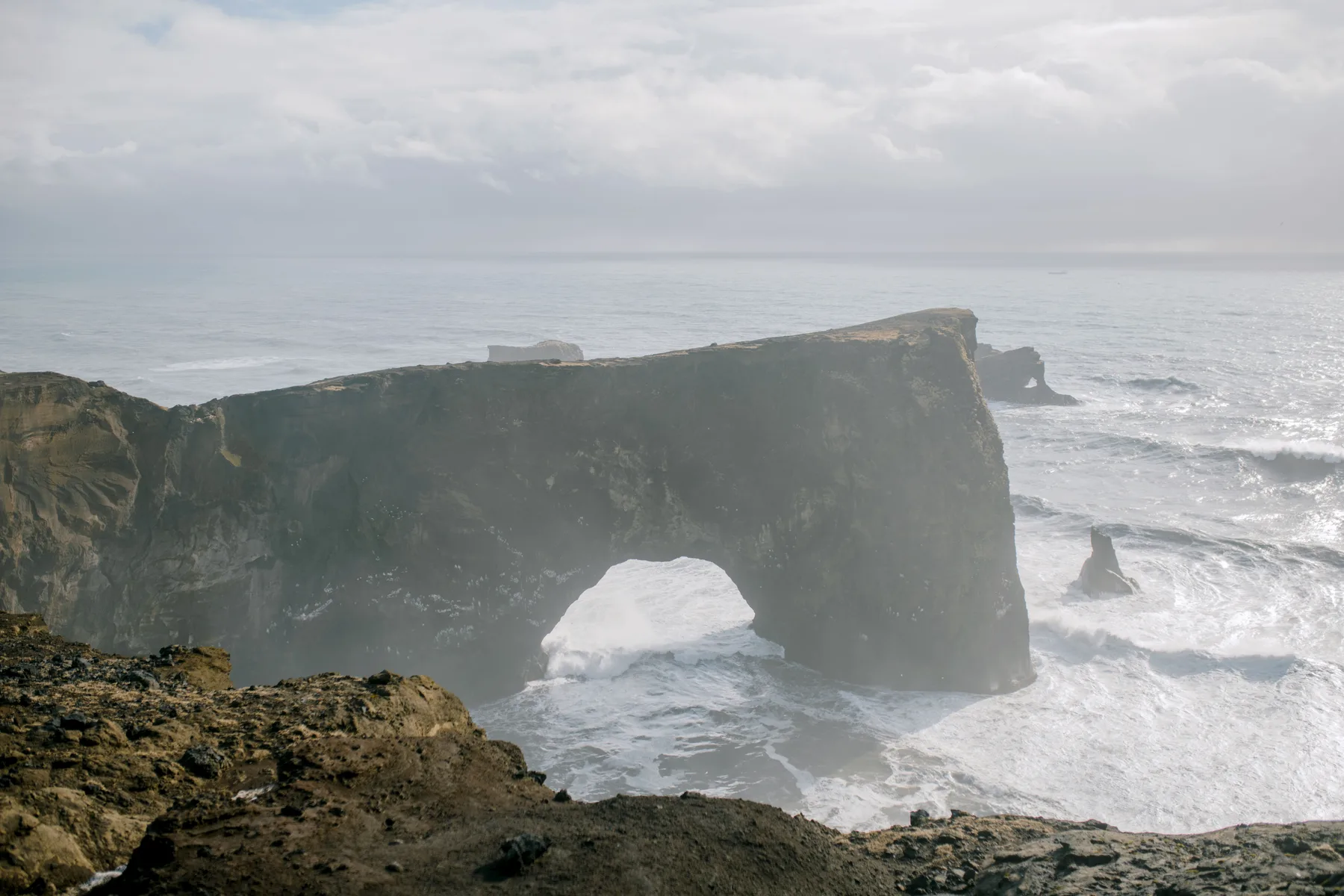
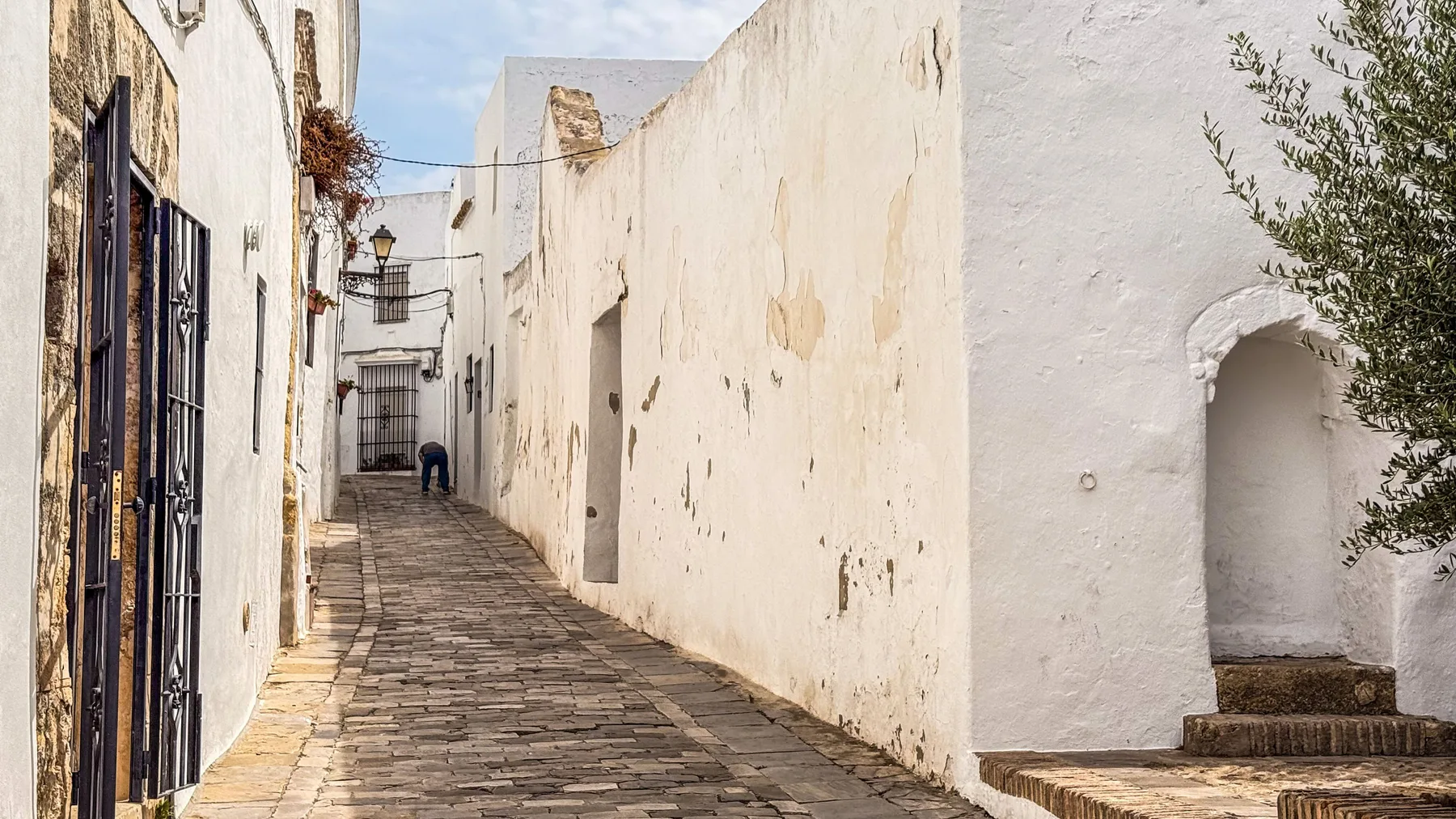
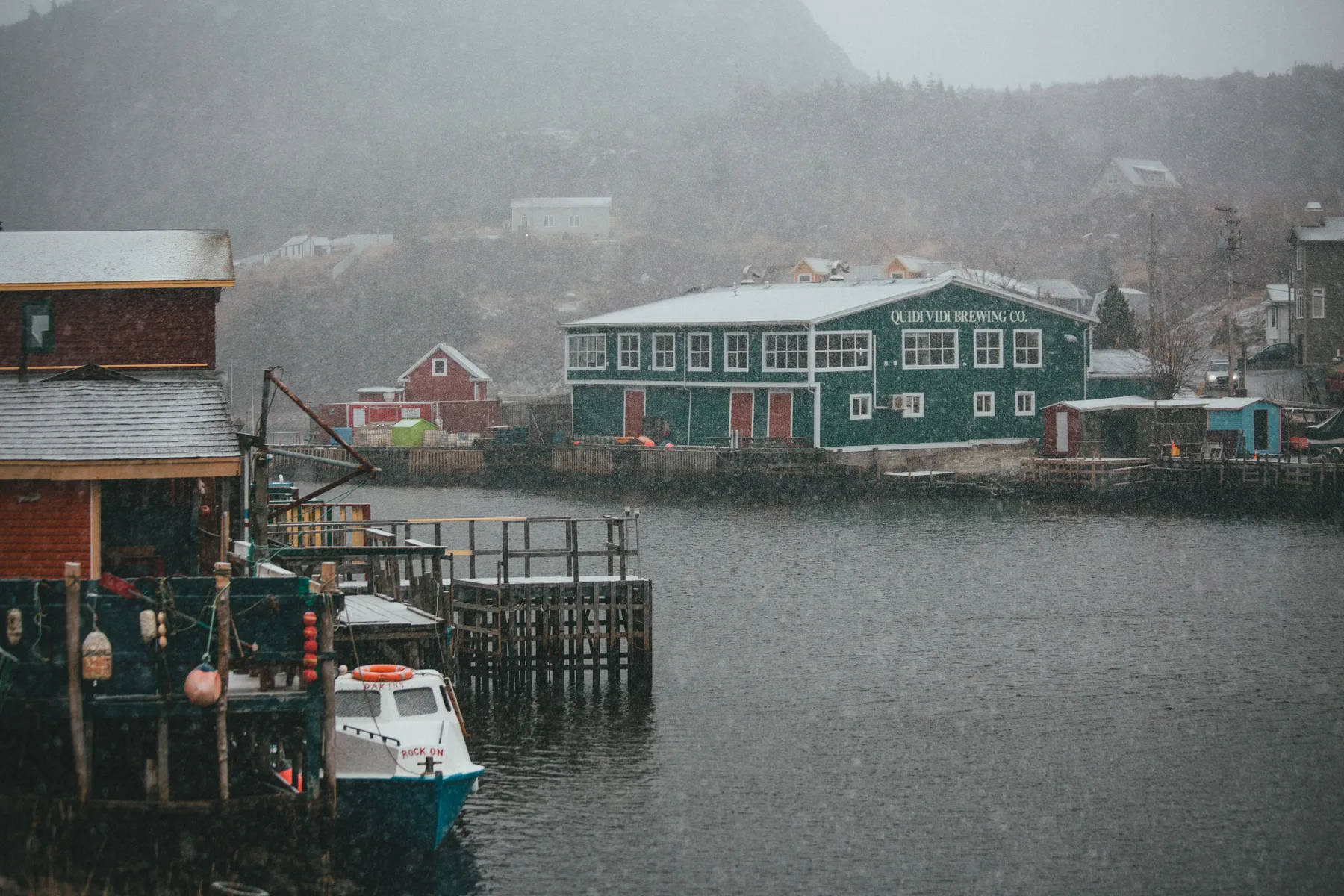
The town has eleven hundred residents and takes something like forty thousand visitors between June and September. In the second week of December there are four cars in the harbour car park and one of them is ours.
This is the condition of a great many beautiful places, and it is discussed almost entirely from the visitor’s side — where to go when it is quiet, how to avoid the crowds, which weeks offer value. Very little of the writing asks the more interesting question, which is what the other eight months are like for the people who do not leave.
The shutters are not a metaphor
Roughly two thirds of the businesses on the front are closed. Not shut for the day — closed, with the stock out and the shutters bolted, until Easter. The ice cream place, the two gift shops, the seafood restaurant with the terrace, the bicycle hire, the boat trips.
What stays open: the bakery, the hardware shop, a bar, the chandlery, the pharmacy, and a small supermarket that in July stocks four kinds of imported olive and in December stocks one. The town shrinks to the size of the people actually living in it, and it turns out that size is not large.
In August I do not see my neighbours. There is no time and there are too many people. Winter is when I find out what happened to everybody.
Work
The fishing is the answer to what people do, but only partly, and less every decade. Two boats work out of the harbour year-round where there were eleven within living memory. Most winter income now comes from maintenance — the boats, the buildings, the rental properties — done in the dead months by the same people who serve in the season.
There is a specific rhythm to this that visitors never see: February is the busy month for builders, March is when the paint goes on, and by the second week of May everything must be finished because the first coaches arrive.
The cost of a short season
Talk to anybody here for twenty minutes and the housing comes up. Properties that used to house crews now let by the week in summer for more than a local wage can match across a year. The school roll has fallen by a third in a decade. The bar owner’s own children live an hour inland.
None of this is unique to here, and none of it is caused by any individual visitor. It is worth knowing anyway, because it changes what you are looking at. The empty street in December is not charming solitude. It is a demographic fact with a very pretty frontage.
The quiet you came for in winter is the same quiet the town is trying to survive.
Going, decently
Come out of season and spend money in the places that are open, which by definition are the ones the town runs on. Stay somewhere that is let year-round rather than a summer rental sitting idle. Eat in the bar. Buy the bread.
And talk to people, which is easier now than at any other time of year — in December there is no queue behind you, and a conversation that would be impossible in August is simply what happens when two people are in a shop.
What it looks like
Cold, wet, half-lit, and better than the postcard. The boats that are working go out before it is light and come back into a harbour with nobody watching. The snow, when it comes, does not last on the quay and lasts on the hills behind. There is one string of lights along the front, and it is on all winter for eleven hundred people.