There is a particular sound the Faroes make in November, and it is not the one in the tourist films. It is the sound of a wet rope slapping a mast in a harbour where nothing is going out today, and it carries for a very long way, because there is nothing else to compete with it.
We went in the third week of the month, which is the week most people would tell you not to go. The ferries run on a reduced timetable. Several of the smaller guesthouses have shut until March. Daylight, generously counted, lasts from about half past nine to half past three. Everything the brochures promise — the puffins, the green summer light, the hiking weather — is gone.
What is left is the thing itself.
What the weather actually does
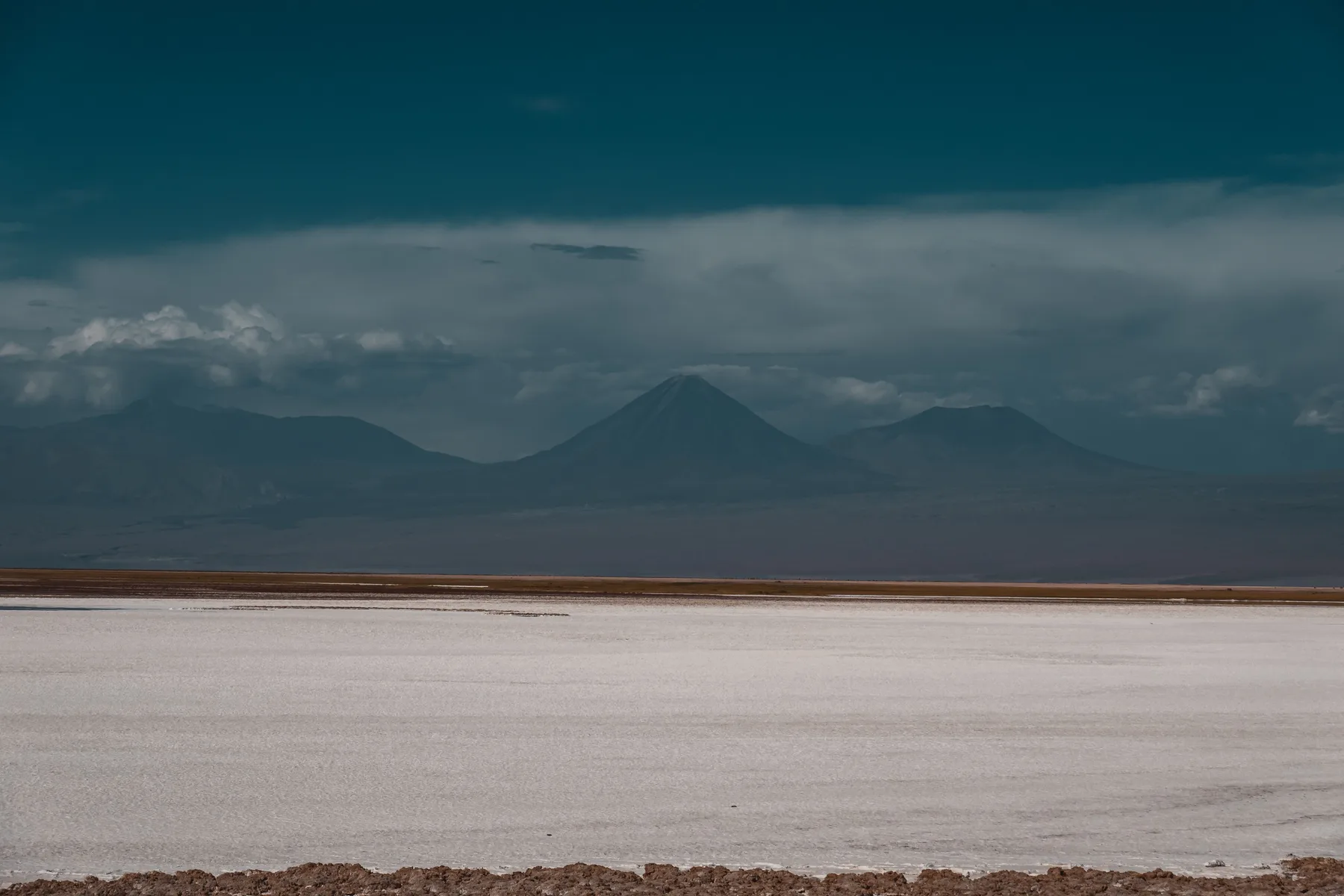
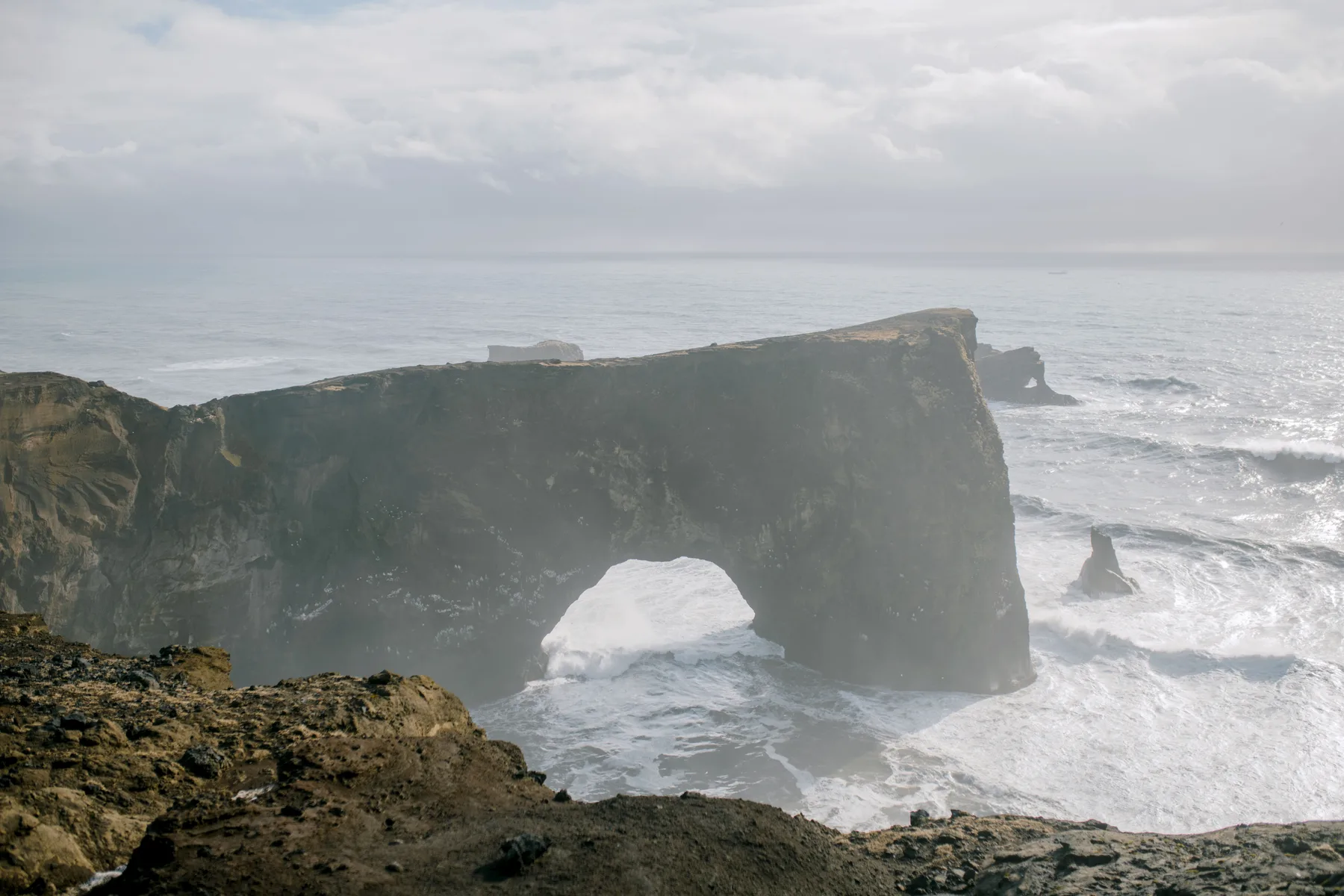
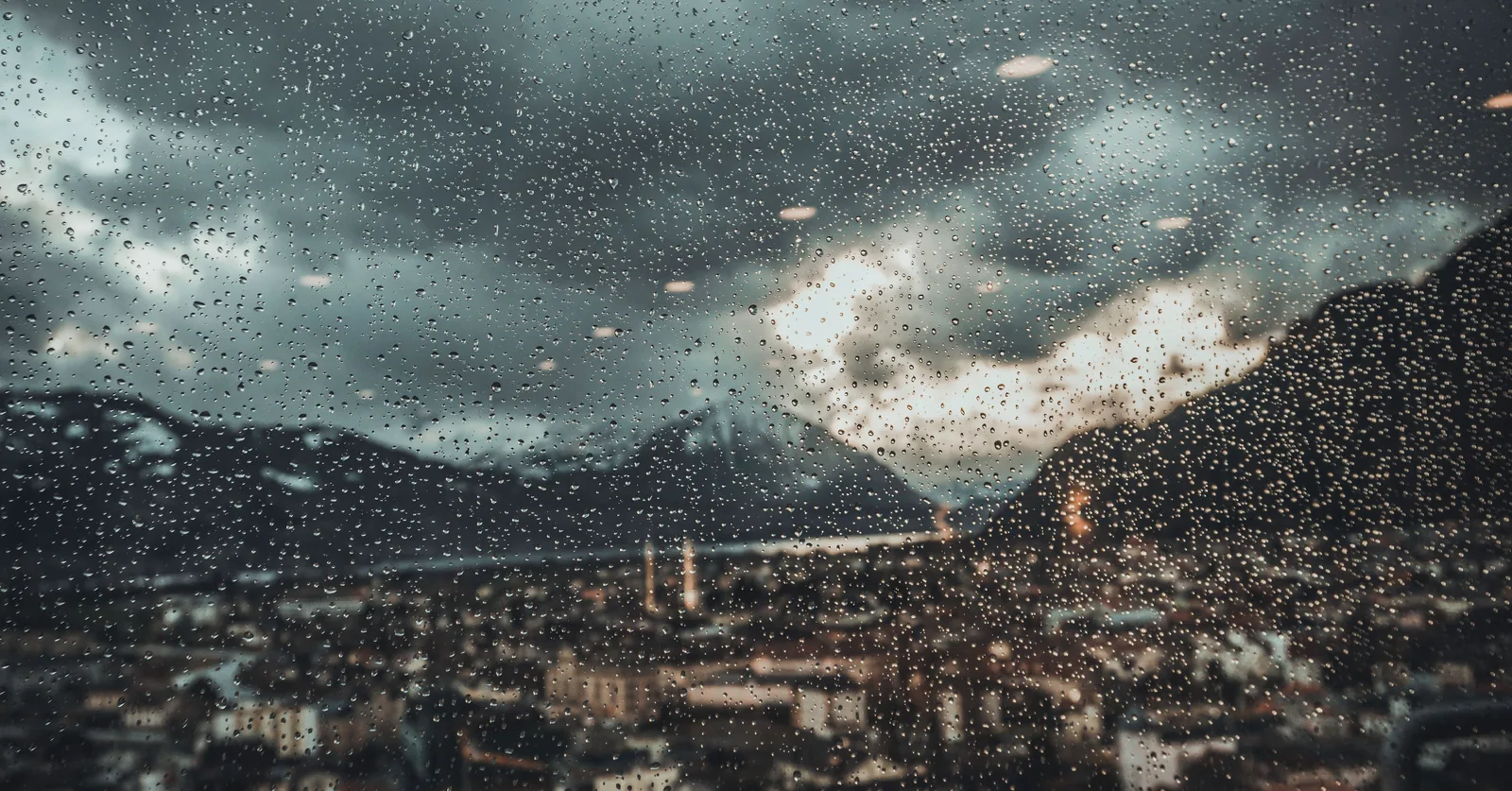
The Faroese have a saying about the weather that visitors repeat too eagerly, so we will not repeat it. The useful version is this: on any given November day you will get sun, hail, flat grey and a wind that arrives sideways, and you will get all four inside two hours. This is not a hardship to be endured before the good part. It is the good part. The islands are built out of basalt layered like a stack of paper, and it takes moving light to show you the layers.
Plan in half-days, not days. Take the earlier option every time. Assume you will lose one afternoon in three to a road closure over a mountain pass, and be pleased when you do not.
A view you had to wait four hours for is not the same view as one you drove up to. The islands know this, and in November they make you wait for everything.
Where the light goes
Photographers talk about the golden hour. In the Faroes in late autumn there is no hour; there is a long low afternoon that begins around one and ends whenever the cloud decides. The sun never climbs high enough to flatten anything. Cliff faces that read as a single dark mass at midsummer separate into ledges, gullies and grass shelves, and the sea below them turns the colour of an old coin.
The classic viewpoints are still the classic viewpoints, and you will have most of them to yourself. The difference is the walking: the paths are saturated, the sheep tracks are slick, and the descent that took twenty minutes in the guidebook will take you forty. Bring the boots you actually trust.
Eating and sleeping
The islands’ restaurant scene contracts sharply out of season, and this is the one genuine cost of going now. Two of the four places we had hoped to eat at were closed for the winter. What remains, though, is less performed: a fish soup at a harbour café that had four other people in it, a plate of lamb at a farmhouse table where the farmer sat down at the end of service and asked us, without much small talk, what we had come for.
Book accommodation before you fly, and confirm by email rather than through an aggregator. Winter openings change, and the change does not always reach the booking platform.
Whether to go
If your holiday depends on a forecast, do not go in November. If what you want is eighteen islands running at their own speed, with the weather doing the work and no one standing in the frame, there is no better month in the year.
We were rained on for four of six days. It is the trip we have talked about most since.