Japan’s northern island has two famous seasons and a gap between them. The autumn colour finishes in the last week of October. The powder that the ski industry is built on does not reliably arrive until the second half of December. In between there are roughly six weeks that the tourist calendar treats as dead.
They are not dead. They are grey, cold, largely leafless and, if you like a place to be honest with you, the best time to be there.
The colour of nothing
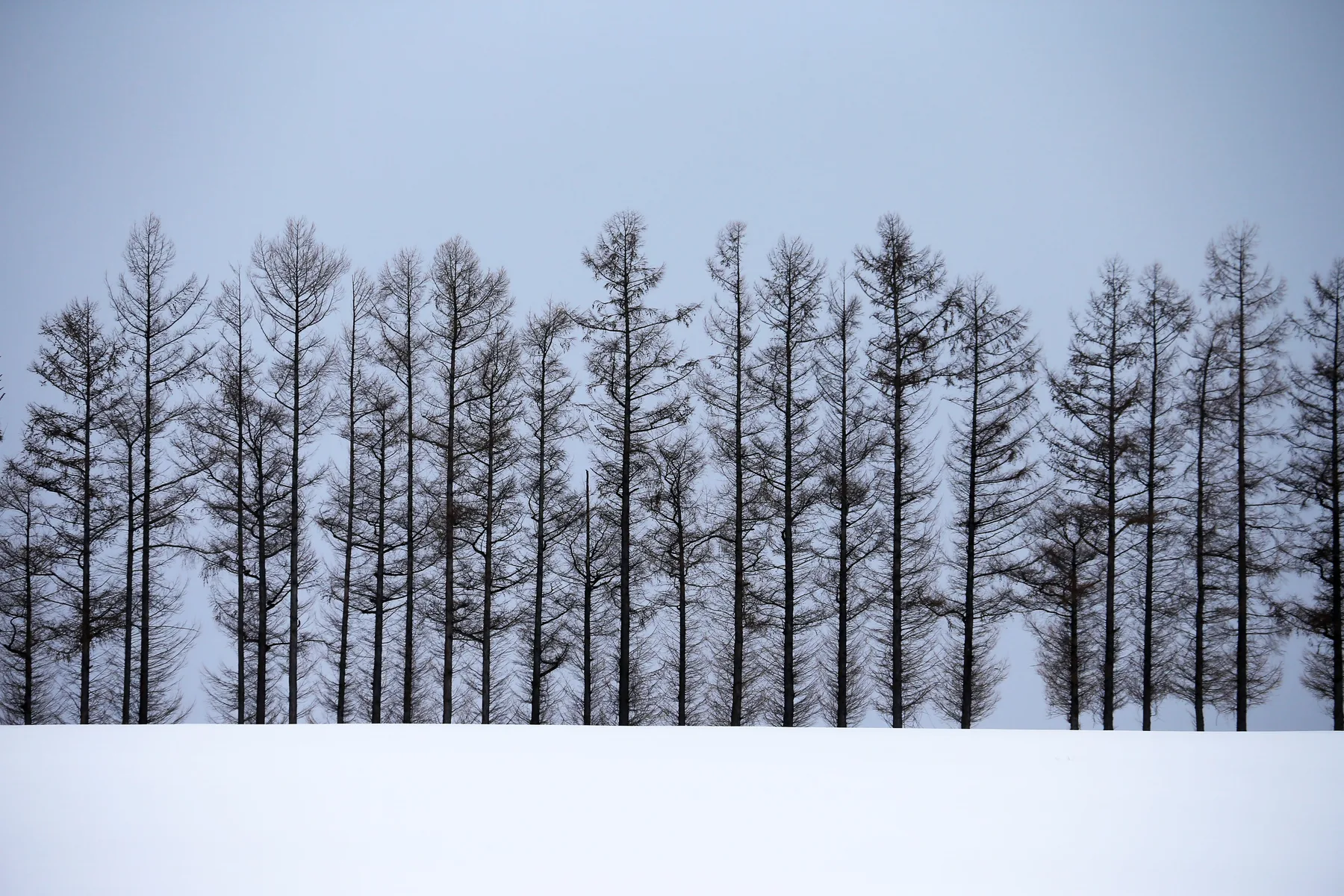
Hokkaido in late November is a study in a very narrow range: bleached grass, black water, larch plantations that have dropped their needles and stand in ranks the colour of wet cardboard. The first snow comes and goes several times before it stays, so the fields go white overnight and are brown again by the afternoon.
It is not a landscape that photographs itself. You have to work for it, and what you get back is graphic rather than pretty — lines of trees, a fence, the horizontal of a frozen field, and very little else in the frame.
Between the last leaf and the first reliable snow there is a month when the north of Japan stops selling itself and simply carries on.
Onsen towns at their best
This is the argument that convinces most people. The hot spring towns are open, fully staffed, and running at perhaps a third of capacity. A ryokan that will not take a two-night booking in February will give you a room with a private rotenburo in November for a little over half the winter rate.
Sitting outdoors in 42-degree water while sleet comes across the valley is one of the more persuasive experiences available anywhere, and in the dead weeks you will frequently have the bath to yourself. Book the kind of place that includes dinner. In the off months the kitchens are cooking for a handful of guests and it shows.
Trains, and the case for slowness
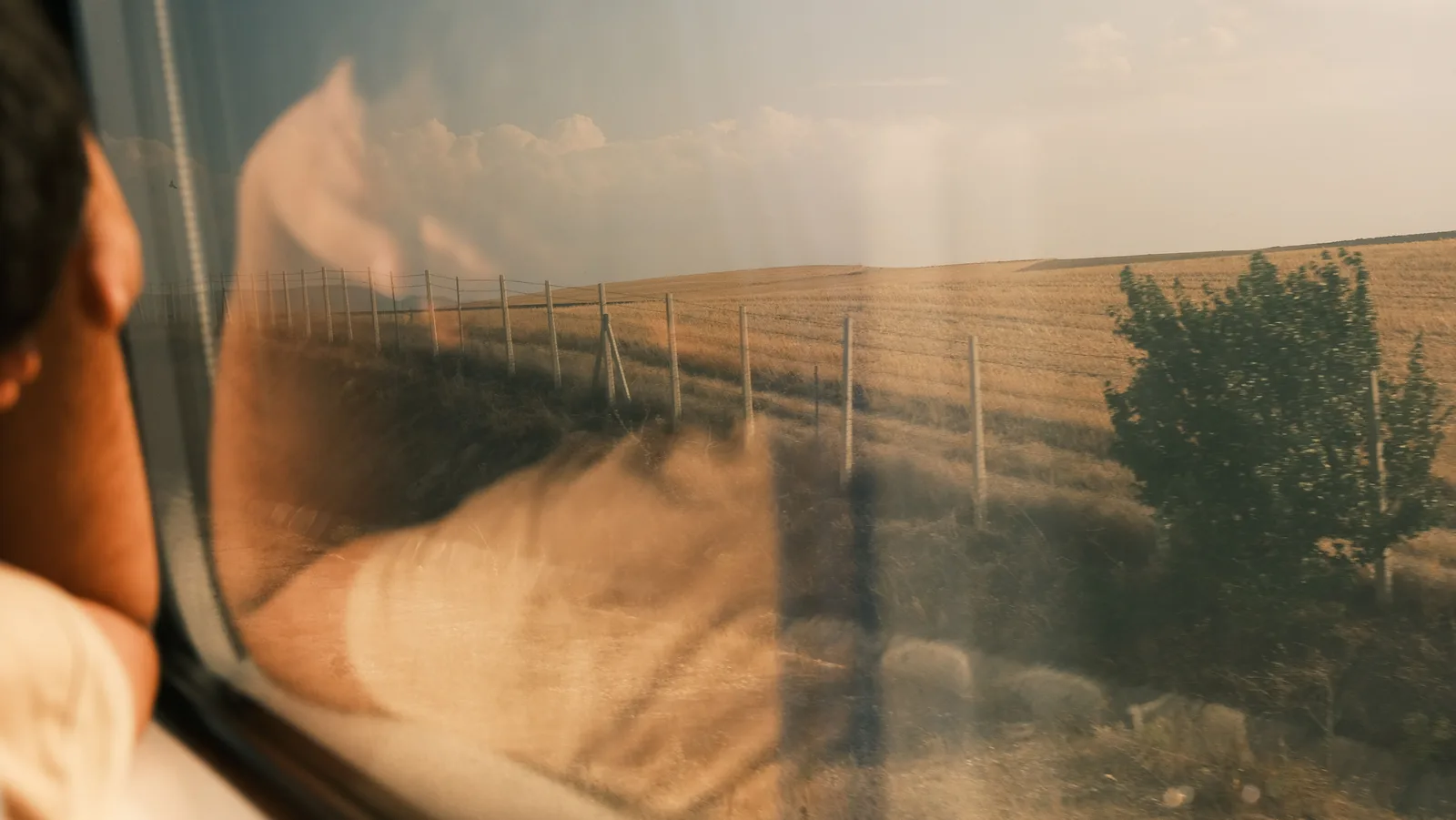
The rail lines across the interior are the point of going now. In summer they are pleasant; in late November they run half-empty through country with nothing on it, and the four-hour journey that any sensible itinerary would replace with a flight becomes the part of the trip you remember.
Check the timetables carefully. Several rural lines reduce services in winter, and a few sections suspend entirely once the snow is committed. In November you are generally still ahead of that, which is precisely the window.
Verdict
If you are going to Hokkaido to ski, go when there is snow. If you are going for the island — the food, the baths, the trains, the enormous emptiness of the interior — go three weeks before everybody else and pay half.