By the third week of October the coast road south of Monopoli has gone quiet in a way that feels almost rude. In August this is a crawl of hire cars. Now it is a two-lane road through olive groves with a tractor on it, and the beach clubs have stacked their loungers into towers and wrapped them in blue tarpaulin.
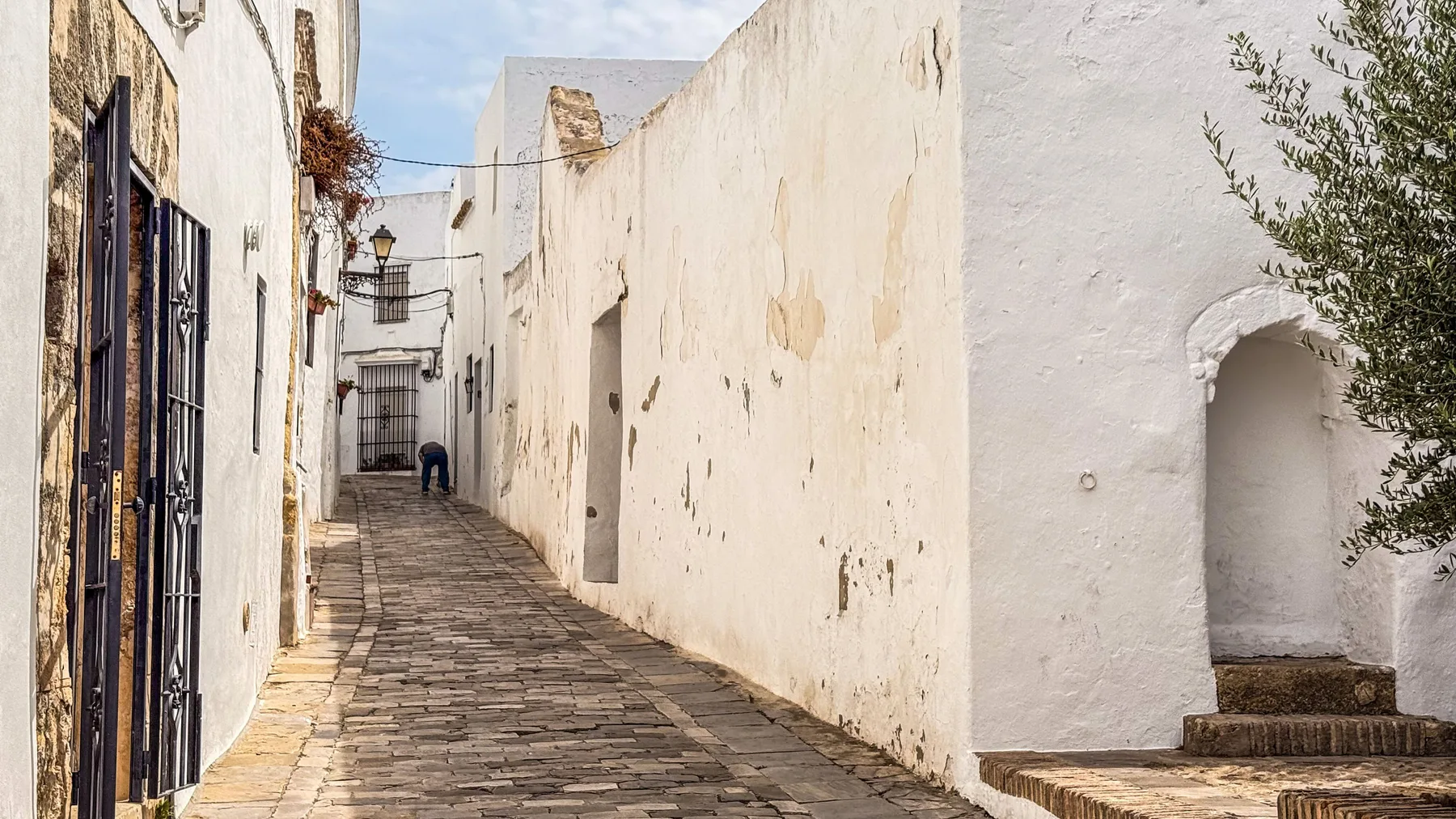
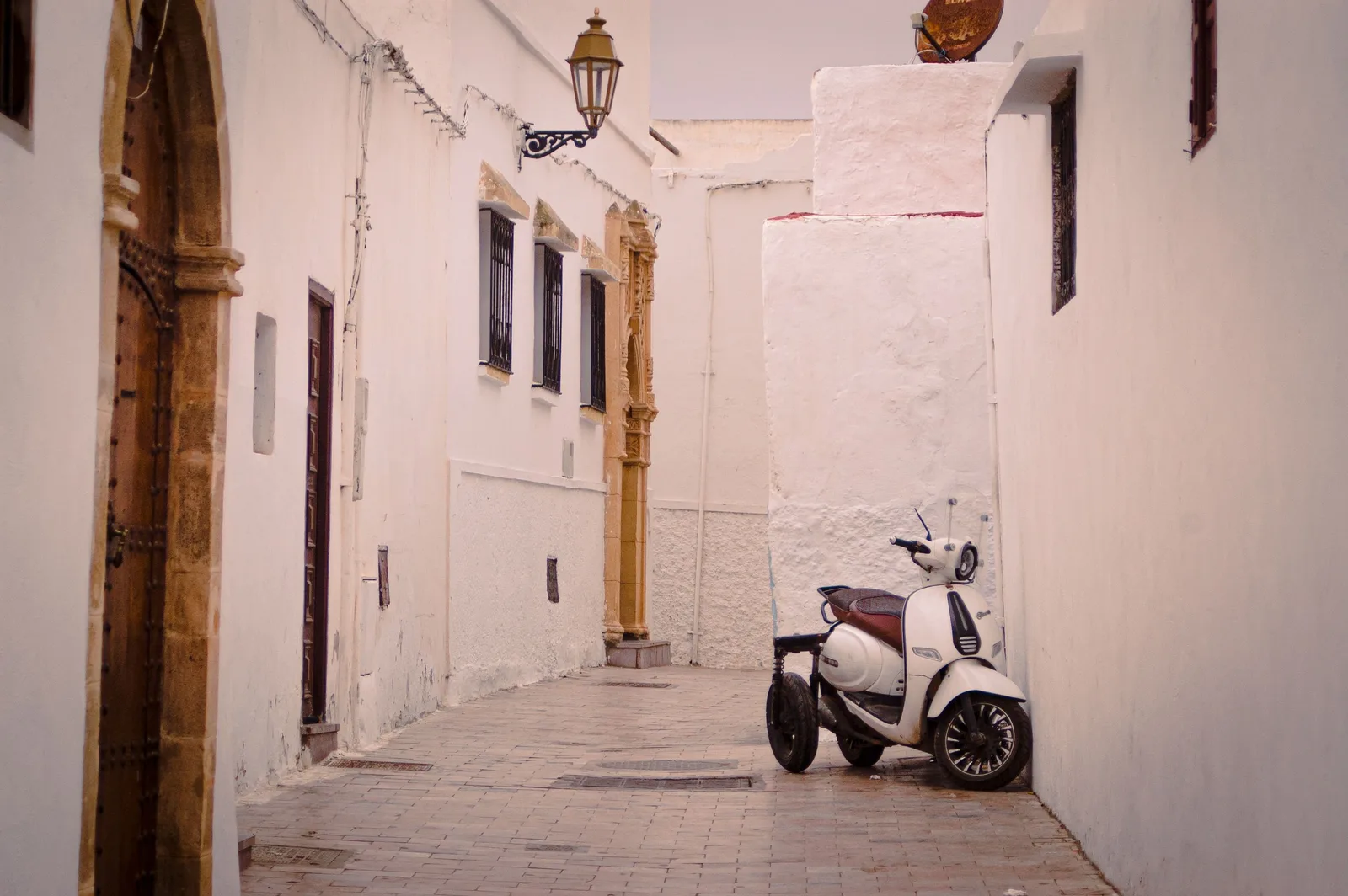
The towns behave differently once they stop being looked at. In the lanes of the old centres — the whitewashed grid that every photograph of this region is taken in — the chairs come out onto the doorsteps in the afternoon and stay there. Nobody moves them for you. You walk around them.
The harvest is the event
October and November are the olive harvest, and in a region that produces a serious share of Italy’s oil, this is not a decorative activity laid on for visitors. Nets go down under the trees. The mills run late. The smell in the villages after dark is green and slightly bitter, and it gets into everything.
Several frantoi will let you watch a pressing if you ask in advance and are not in a hurry. This is worth arranging. It is also the only reliable way to buy oil that has not been blended for export: ask for olio nuovo, taste it before you commit, and expect it to catch at the back of your throat. That catch is the point.
A town in season is a performance with an audience. The same town in November is just a town, and it will let you stand in it as long as you like.
What closes, and what that costs you
Be honest about the trade. On the coast, a good half of what makes Puglia a summer destination is shut: the lidos, the boat trips out to the sea caves, most of the beach restaurants, and a proportion of the smaller seaside hotels. If your image of the trip involves swimming, the water is still warm into early October and unreliable after.
Inland, almost nothing closes. The masserie — the fortified farmhouses that have become the region’s characteristic places to stay — mostly stay open, and their rates fall by a third or more once the school holidays end. Several run their own harvest, which means you eat what came off the estate that week.
A route that works
Base yourself once, not three times. The distances look small and the roads are slow. A week split between one masseria in the Valle d’Itria and three nights in a town on the Adriatic side covers most of what people come for without a daily two-hour drive.
Give Lecce two full days rather than the usual afternoon. The baroque there is soft, sand-coloured limestone carved in a way that is close to indulgent, and out of season you can stand in front of it without being moved along.
Verdict
Puglia in summer is a place you visit alongside a great many other people who have read the same article. Puglia in late autumn is cheaper, slower, wetter at the edges, and considerably more itself. The swimming is the price. We would pay it again.